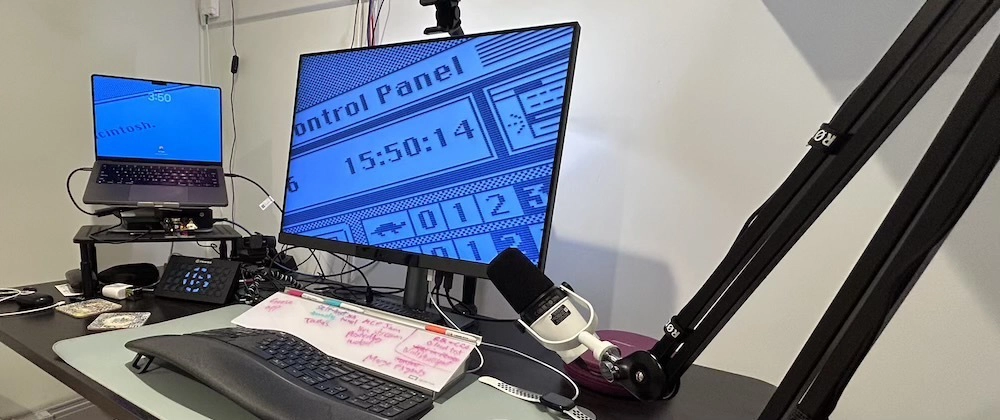
BenQ RD280UG Review: 28-Inch 4K Programming Monitor for Developers
Product Reviews
Table of Contents
This is a sponsored post, but it’s an honest review.
BenQ sent me their new RD280UG monitor to review. They’ve sent me monitors in the past, and I’ve been a fan of their programming-focused lineup.
BenQ RD280U Review: A 28" 4K Monitor Built for DevelopersThe 3:2 Aspect Ratio Thing#
These monitors use a 3:2 aspect ratio instead of the standard widescreen format. When I got my first BenQ programming monitor about a year ago, the 28-inch 3:2 dimensions seemed odd. The aspect ratio was a little weird at first, but honestly, after a few days of using it, I was already used to it. I keep mine in the normal horizontal position, though you can rotate these monitors vertically if that’s your thing.
What’s New#
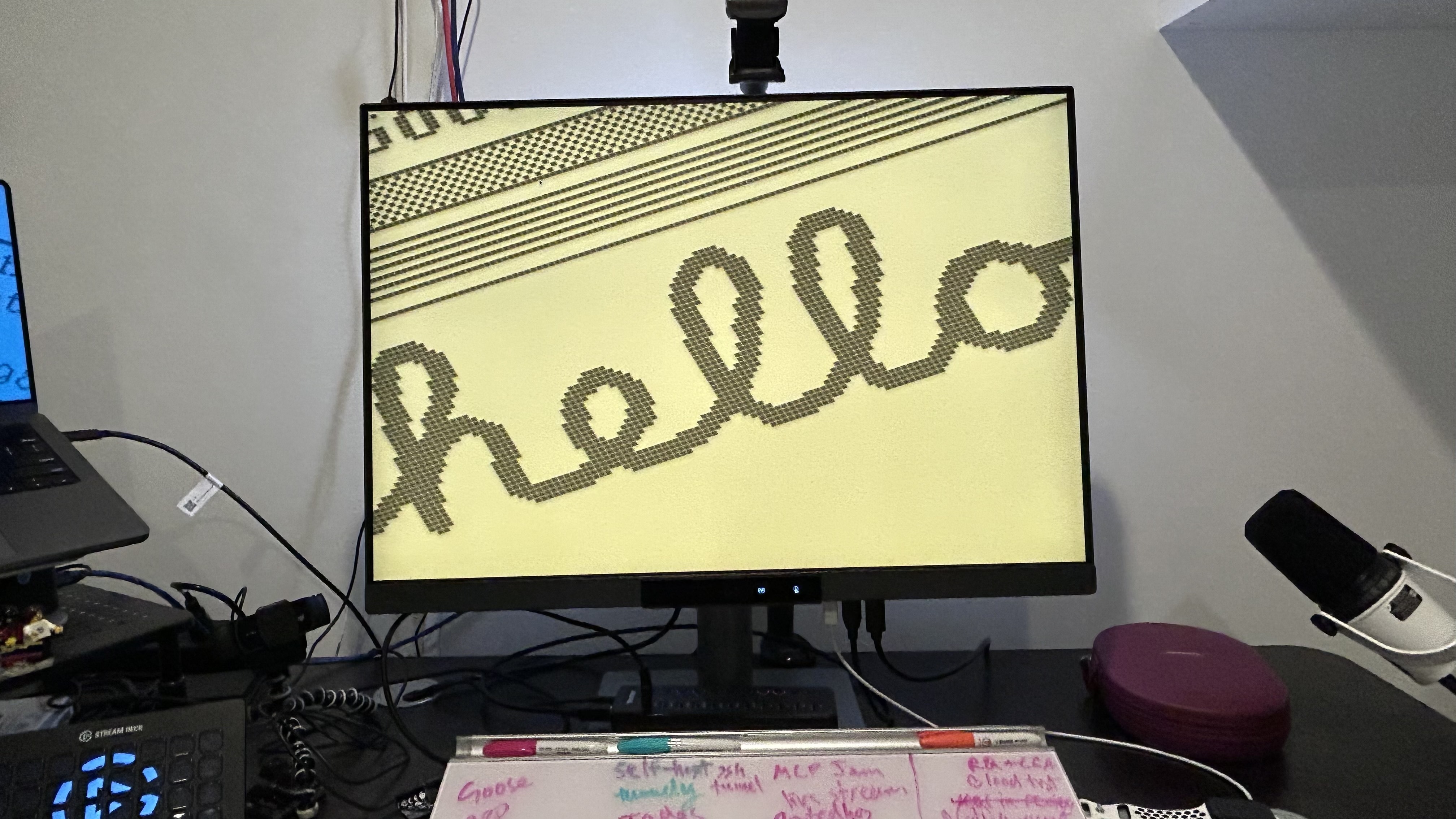
The RD280UG is a 28-inch 4K monitor with a 3:2 aspect ratio, running at 3840 x 2560 pixels with a 120Hz refresh rate, up from the RD280U model’s 60Hz. It works with both Mac and PC. I’m using it with my Mac for development and live streaming, and the aspect ratio hasn’t caused any issues with streaming setups.
The new monitor keeps the features I liked from previous models. The moon halo lighting on the back is still there, and you can quickly switch display settings using the front button. Dark mode, light mode, and custom user settings are all available. You can also adjust blue light levels.
The big addition is the paper color mode. I’ve been testing it out and it’s solid. It’s designed to reduce eye strain and blue light. One caveat though: if you’re doing UI development, you’ll want to switch back to your regular settings since the colors won’t be as vibrant. When I’m working on UI stuff, I just flip back to my normal dark theme.
I haven’t noticed any eye strain while using this monitor, and the paper color mode seems to be doing its job well.
Assembly is straightforward, just like the previous model. No screwdriver needed. You flip open a thing, turn to tighten the base to the stand, and the monitor clicks into place.
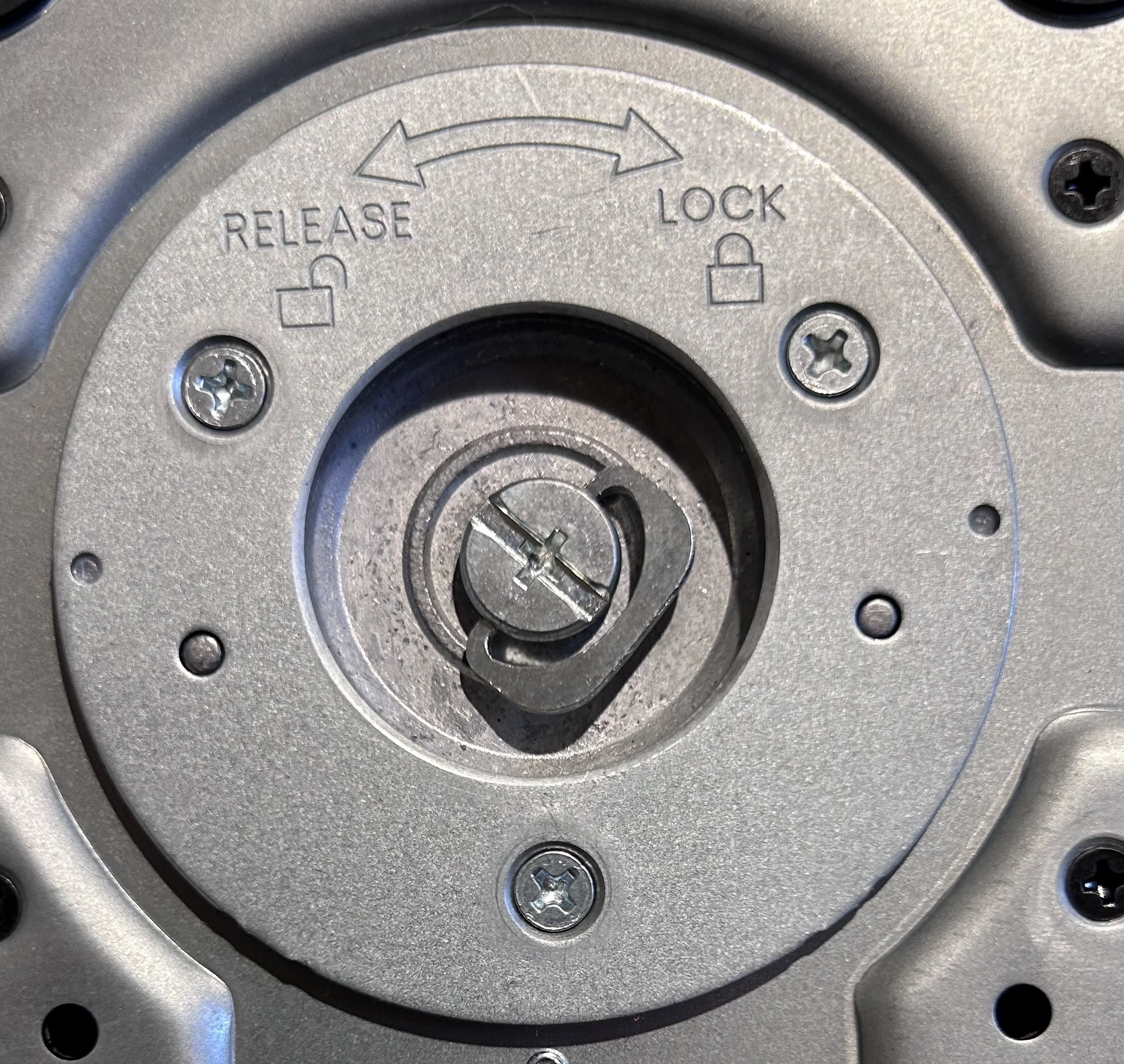
There’s a leather cable management piece that snaps together on the back to keep things tidy.
Small thing, but they include a cleaning cloth with the monitor. I’ve always been paranoid about what to use on monitors. I usually grab my glasses cloth and hope for the best, so having a dedicated one is appreciated.
Port Upgrades#
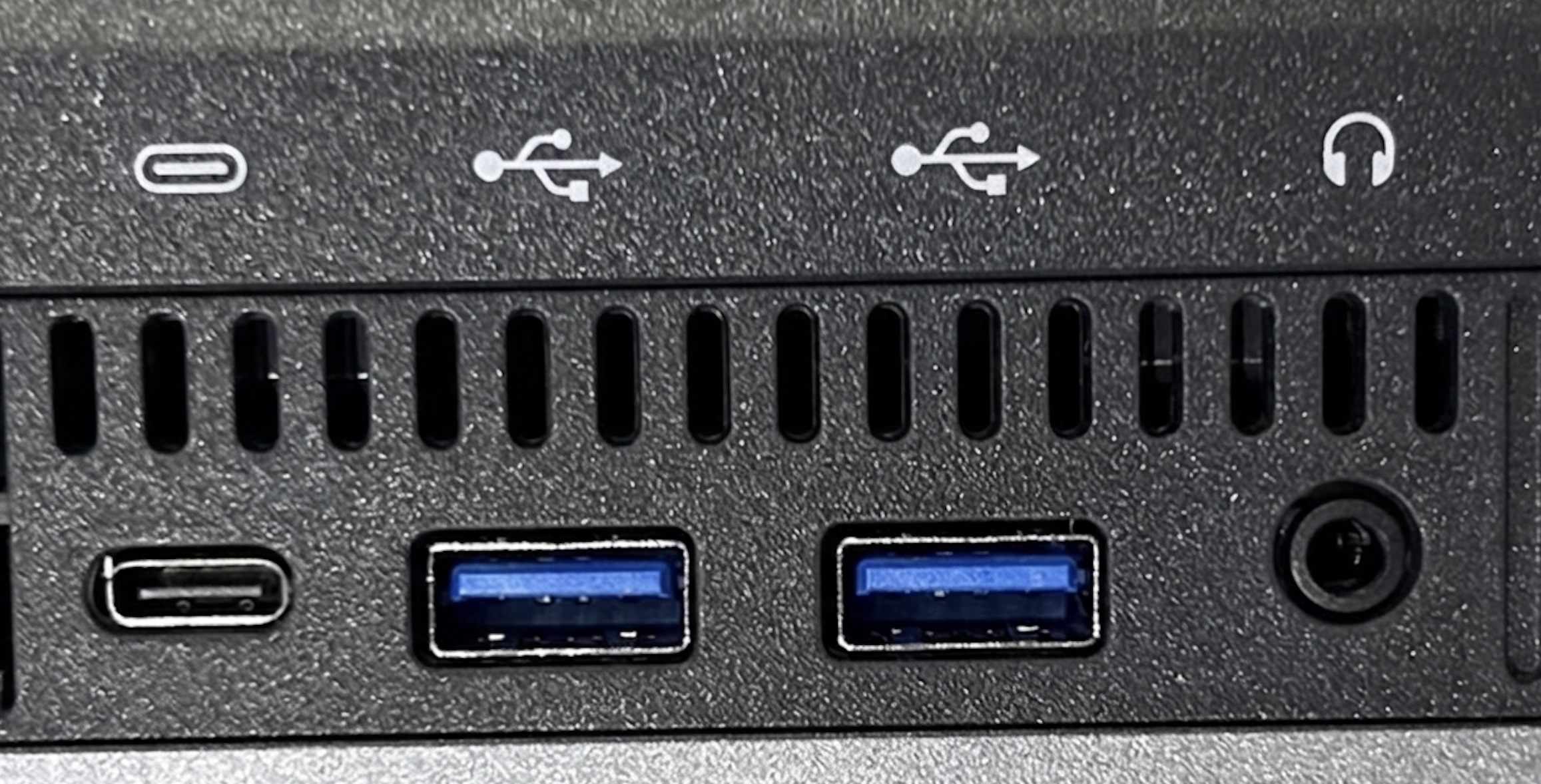
This is where I discovered something cool. The ports are located to the right of the monitor settings button, just under the screen. You get a USB-C port, two USB-A ports, and a headphone jack if you’re still into the wired world.
Funny thing is, I didn’t even know my old monitor had ports there too. Turns out it did - just 3 USB-A ports, no USB-C. The RD280UG swaps one of those USB-A ports for USB-C. Right now I’ve got my watch charging via USB-C, my mic in one USB port, and my USB hub in the other.
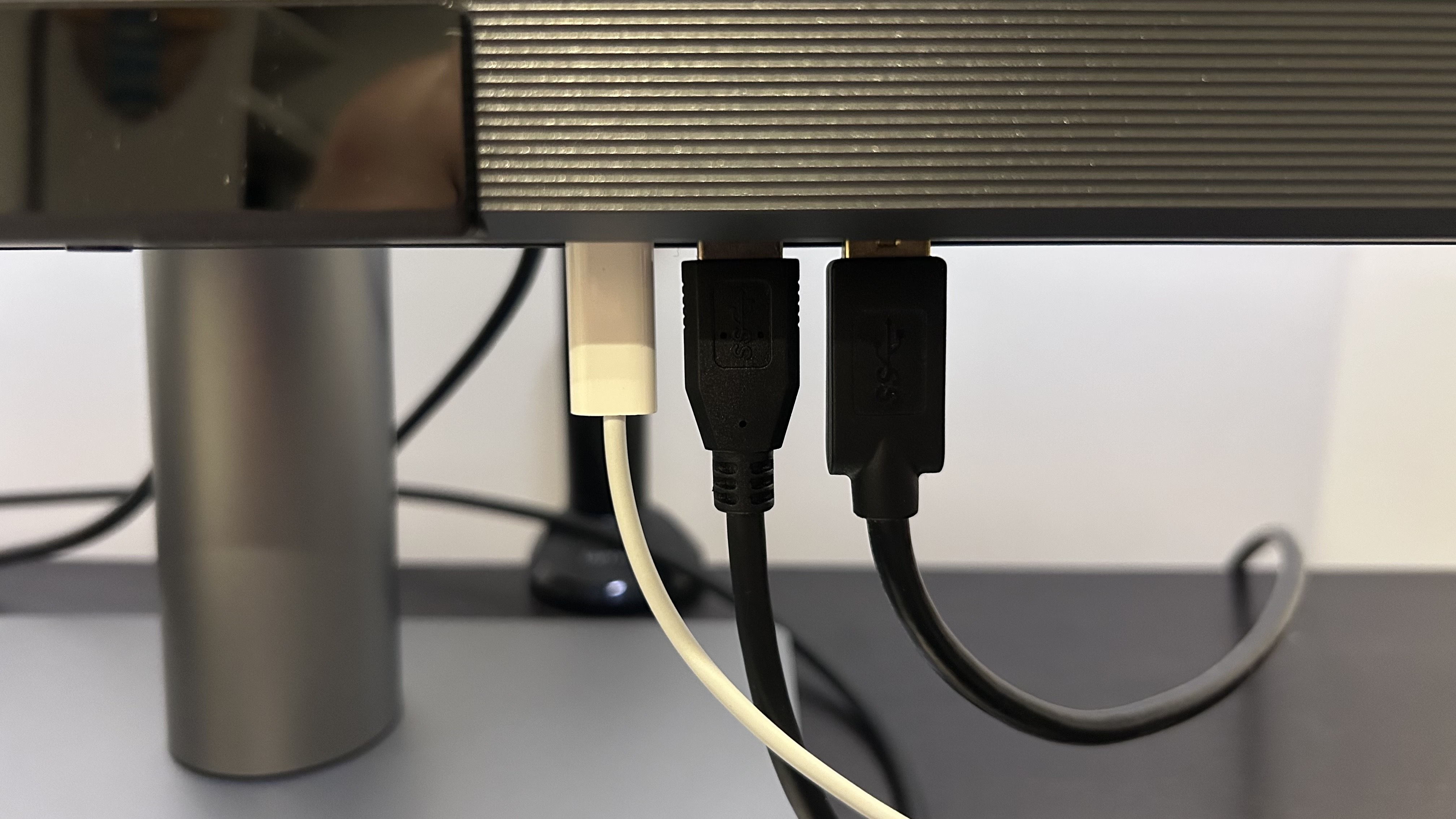
I have the monitor connected via USB-C, though you can also use HDMI or DisplayPort if that’s your preference. The port placement on the back is way more accessible than before and you can daisy chain monitors if you want multiple displays connected to your laptop or desktop.
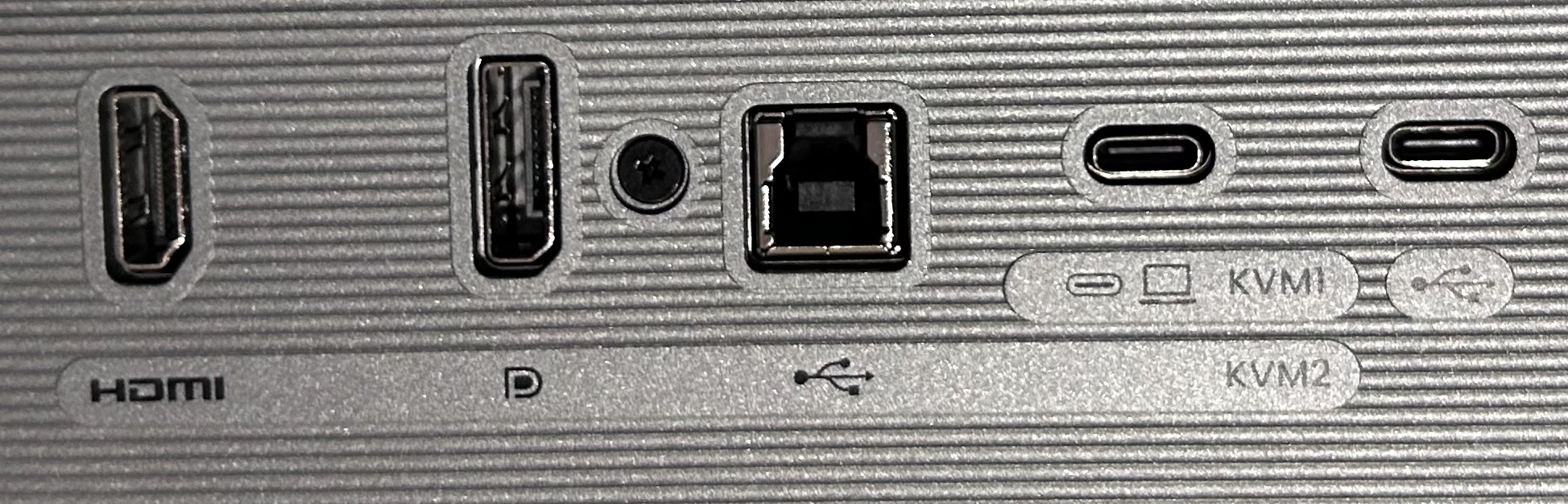
The monitor also has built-in KVM functionality like previous models. I don’t use it normally, but it’s there if you need to switch between multiple computers with one set of peripherals. I’ll probably use it when I connect my mini PC if I’m not SSHing into it or booting into Windows on it.
The Verdict#
I’ve been using this for a week now. The 28-inch 3:2 aspect ratio continues to be great for programming work. The improved port accessibility, new paper color mode, and 120Hz refresh rate (up from 60Hz on the RD280U) are solid upgrades. The higher refresh rate makes scrolling through code noticeably smoother and the text is super clear on this monitor as well. A picture probably can’t do that justice though. 😅
The RD280UG is priced at $759.99 (MSRP). You can check it out on Amazon or learn more on the BenQ website. If you’re a dev and in the market for a new monitor, BenQ has got you set.
Thanks again BenQ for the monitor!
If you want to stay in touch, all my socials are on nickyt.online